
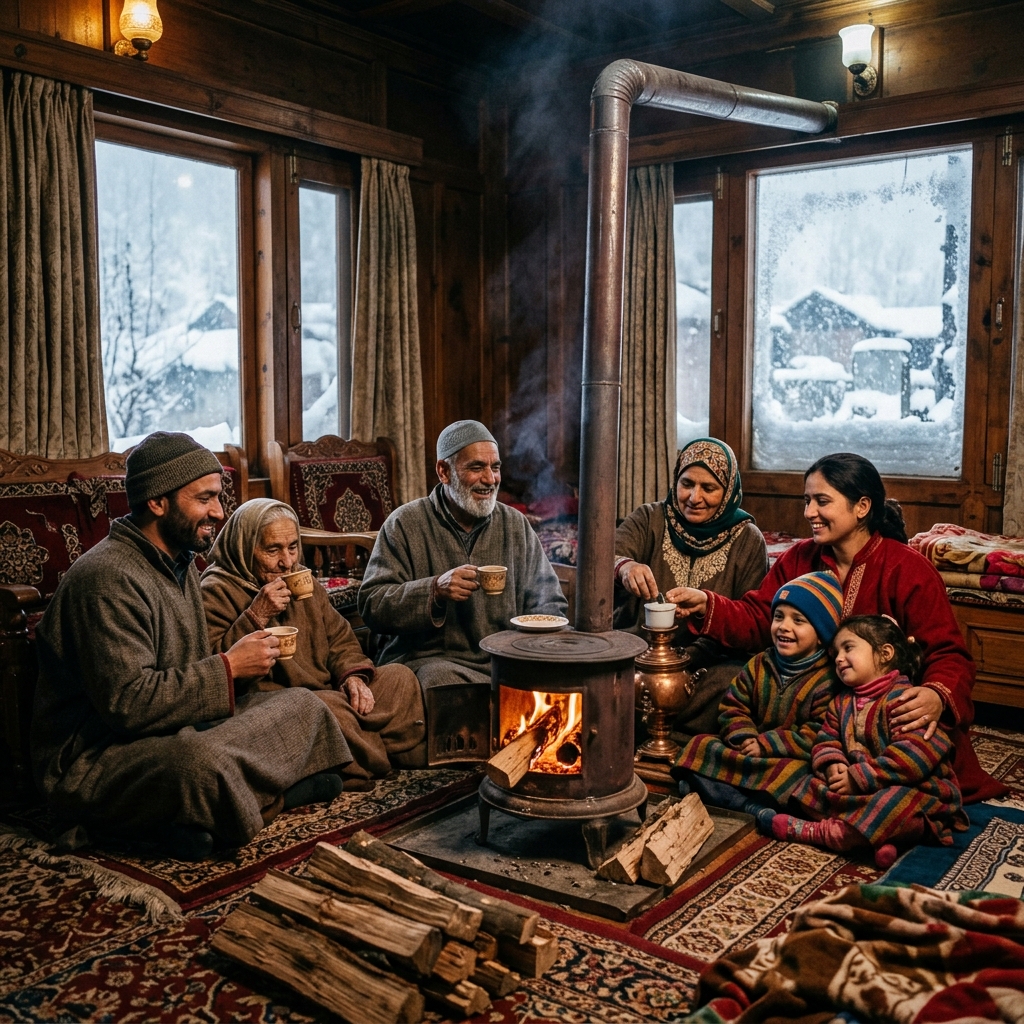
Why Chilla Kalan matters for home health in Srinagar
From late December through January, Srinagar enters Chilla Kalan, the harshest stretch of winter when night temperatures routinely drop below freezing and daytime thaw is brief. For families in Lal Chowk, Hazratbal, and across the Srinagar areas hub, the season changes how you manage chronic illness, recovery after hospital discharge, and everyday safety indoors. Roads ice early; relatives hesitate to drive elders to OPD; and power cuts can interrupt heated rooms. Planning ahead with home nursing in Srinagar, scheduled blood tests at home, and physiotherapy at home reduces exposure without delaying care. Kashmir Health Collective teams coordinate visits through the booking page so you are not negotiating transport on the coldest morning of the week.
Indoor warmth, ventilation, and air quality
Many Srinagar homes rely on kangri, bukhari, or electric heaters. Layer clothing before cranking heat, keep one room consistently warm for elders, and ventilate briefly when smoke or damp builds—stale air worsens COPD care at home plans. Place heaters away from bedding; never use outdoor charcoal indoors. If an elder feels confused, very sleepy, or nauseated with headache, seek urgent medical help—carbon monoxide and oxygen issues are emergencies. Families in Rajbagh and Bemina often cluster care in a single heated room; document medication times on paper in case phones die during outages. Match indoor humidity: dry air irritates airways; a bowl of water near a safe heater can help slightly. Review inhaler technique with your nurse before peaks of cold.
Hydration, nutrition, and mobility when snow limits outings
Cold suppresses thirst; elders still need warm fluids and regular meals. Stock soups, dal, and easy-to-chew proteins. Salt balance matters for heart and kidney conditions—follow clinician advice, not social-media winter tonics. Short indoor walks and seated leg exercises prevent deconditioning when physiotherapy at home sessions are spaced for weather. If ice makes alleys unsafe, postpone non-urgent errands and use doorstep blood collection for routine HbA1c or lipid panels. Neighbours in the Old City often share pharmacy runs; still keep a seven-day medication buffer. Vitamin D and mood dip in long winters—note sleep changes and withdrawal, and involve your doctor if low mood persists beyond two weeks.
Chronic conditions: COPD, diabetes, and heart failure in peak winter
Cold air triggers bronchospasm. Patients on COPD plans should have action steps written by their pulmonologist, spare inhalers indoors, and know when to call for a nurse visit. Diabetes control shifts with diet changes and less activity; do not skip glucometer checks because labs feel far—book a home draw via our journal guide on diabetes nursing. Heart failure families should watch daily weight and ankle swelling; sudden breathlessness at rest is urgent. Align specialist follow-up with doctor home visits when clinics are crowded. If you travel to Budgam district or Baramulla, confirm whether your home-care team serves that pin code through the Kashmir districts hub.
Falls, frostbite, and when to escalate to hospital
Wet steps, frozen courtyards, and early darkness drive winter falls. Non-slip footwear, railings, and a torch by the door help. After a fall with head strike, anticoagulant use, or hip pain, do not assume rest alone will fix it—get assessment. Frostbite begins with numb pale fingers or toes; rewarm gently and seek care for blisters or blackened skin. Chest pain, crushing headache, one-sided weakness, or oxygen saturation below clinician-set thresholds mean emergency services, not a wait-for-nurse visit. For non-urgent wound checks or dressing changes, browse verified providers and route through booking.
Building a winter care plan with your household
List daily must-dos: medications, inhalers, oxygen if prescribed, skin checks on heels, and temperature logs if advised. Assign one family contact for nurse scheduling; share gate and lane notes for Old City homes where GPS drifts. Keep pharmacy and lab numbers on paper. Agree who accompanies the patient if hospital transfer is needed. If an elder lives alone in Sonwar or Qamarwari, schedule welfare calls twice daily during Chilla Kalan. Read seven signs a parent needs home care if you are unsure whether winter strain is becoming unsafe independence. Revisit the plan after forty days when cold eases.
Power cuts, communications, and backup planning
Treat electricity like a clinical risk. Charge phones and lamps before forecast snow; keep nursing and book numbers on paper. If a visit must move because lanes are blocked, message early—teams across Hyderpora and Batmaloo reschedule rather than no-show. Relatives abroad should know who holds house keys. A simple clipboard with allergies, diagnoses, and last vitals helps locum nurses continue safely.
How Kashmir Health Collective supports families through winter
We match background-checked nurses, physiotherapists, and phlebotomists to your address across Srinagar and select Valley towns. Shifts can be single visits or recurring; documentation goes back to your treating doctor when you want. Winter demand is high—book early for post-operative dressing, elder monitoring, and lab panels. Explore all Srinagar neighbourhoods and services before the next cold snap. Questions about coverage in Anantnag or Pulwama? Message us on book with pin code and care summary. Stay warm, stay connected, and treat small slips in control as signals to adjust the plan—not as failure. Keep a charged power bank near the bedside phone so coordinators can confirm visits during outages. Write your house landmark near the masjid or shop because GPS pins drift in Old City lanes. Ask nurses to log vitals in a notebook when mobile data fails during Chilla Kalan evenings. Store a week of dressings and gloves before heavy snow when courier delays are common. Brief relatives abroad on visit windows so video calls do not clash with nursing assessments. Rotate family night shifts on a shared calendar to prevent caregiver exhaustion in week two. Confirm whether your building lane is ploughed before booking early-morning phlebotomy. Photograph prescriptions after each clinic visit so home teams see the latest orders. Place a non-slip mat outside the bathroom before the first frost in December. Teach children not to run heaters on extension boards shared with oxygen concentrators. Label insulin and oral medicines in Urdu and English if multiple relatives administer doses. Agree a single WhatsApp group admin so nursing updates stay in one thread. Check kangri embers are extinguished before night nursing shifts in traditional homes. Request the same nurse when possible so wound measurements stay comparable week to week. Note pharmacy phone numbers on the fridge for refills when market trips are postponed. Ask physiotherapists for winter indoor exercises when mohalla walks are icy. Keep the lab requisition with fasting hours visible for elders who wake before dawn. Verify partner lab name at booking so reports route to the correct portal. Schedule welfare calls at fixed times for parents who live alone in uptown Srinagar. Discuss Ramadan fasting plans with clinicians before nurses adjust morning medication times. Keep a charged power bank near the bedside phone so coordinators can confirm visits during outages. Write your house landmark near the masjid or shop because GPS pins drift in Old City lanes. Ask nurses to log vitals in a notebook when mobile data fails during Chilla Kalan evenings. Store a week of dressings and gloves before heavy snow when courier delays are common. Brief relatives abroad on visit windows so video calls do not clash with nursing assessments. Rotate family night shifts on a shared calendar to prevent caregiver exhaustion in week two. Confirm whether your building lane is ploughed before booking early-morning phlebotomy. Photograph prescriptions after each clinic visit so home teams see the latest orders. Place a non-slip mat outside the bathroom before the first frost in December. Teach children not to run heaters on extension boards shared with oxygen concentrators. Label insulin and oral medicines in Urdu and English if multiple relatives administer doses. Agree a single WhatsApp group admin so nursing updates stay in one thread. Check kangri embers are extinguished before night nursing shifts in traditional homes. Request the same nurse when possible so wound measurements stay comparable week to week. Note pharmacy phone numbers on the fridge for refills when market trips are postponed. Ask physiotherapists for winter indoor exercises when mohalla walks are icy. Keep the lab requisition with fasting hours visible for elders who wake before dawn. Verify partner lab name at booking so reports route to the correct portal. Schedule welfare calls at fixed times for parents who live alone in uptown Srinagar. Early booking helps Srinagar households secure nursing and lab slots before.